
Avoid Foreclosure in Atlanta: 7 Proven Ways to Protect Your Home Before It’s Too Late


If you’re searching for how to avoid foreclosure in Atlanta, you are not alone — and you are not out of options. Every year, thousands of homeowners across Fulton County, Atlanta, and Metro Georgia fall behind on mortgage payments due to job loss, medical bills, rising taxes, divorce, or unexpected financial hardship. The fear that follows is real. So is the urgency.
But here’s what most homeowners don’t know when they receive that first frightening letter: foreclosure is not a single event. It’s a process — and that process takes time. In Georgia, a non-judicial foreclosure state, the timeline can move quickly, but homeowners still have multiple legal options to slow it down, stop it entirely, or protect their equity before the courthouse auction date arrives.
This guide breaks down exactly how to avoid foreclosure in Atlanta: what the process looks like, what your rights are under Georgia foreclosure law, where to get free help right now, and the seven most effective strategies that Fulton County homeowners use to protect their homes every single year.
Are You at Risk of Foreclosure in Atlanta?
Many homeowners don’t realize the danger they’re in until a letter arrives labeled “Notice of Default,” “Demand Letter,” “Notice to Accelerate,” or “Notice of Sale Under Power.” If you’ve missed one or more mortgage payments in Atlanta or anywhere in Fulton County, here’s what typically happens — month by month.
Month 1 — Missed Payment Your lender contacts you by phone or mail. Late fees begin to accumulate. Most lenders won’t escalate after a single missed payment, but the clock has started.
Month 2 — Delinquency Notices Calls and written notices become more frequent. At this stage, many servicers will still accept a single catch-up payment to bring the account current. Do not ignore these communications.
Month 3 — Formal Demand Letter or Notice to Accelerate You receive a formal letter stating the total amount owed and giving you roughly 30 days to bring the loan fully current. This is often the last direct communication before legal proceedings begin.
Month 4 — Referral to Foreclosure Attorney If no payment or loss mitigation arrangement is made, the lender refers the file to a Georgia-licensed foreclosure attorney. Legal fees — often thousands of dollars — are immediately added to your loan balance. The attorney begins preparing the Notice of Sale Under Power.
The Notice of Sale Under Power Under Georgia law, this notice must be sent to you in writing at least 30 days before the scheduled foreclosure auction. Simultaneously, it must be published in the county’s legal newspaper once per week for four consecutive weeks. In Fulton County, this publication appears in the South Fulton Neighbor.
The First Tuesday Auction Foreclosure sales in Fulton County are held on the courthouse steps at 136 Pryor Street SW, Atlanta, GA 30303, on the first Tuesday of each month between 10 a.m. and 4 p.m.. Once the gavel falls, your window closes. There is no right of redemption after a mortgage foreclosure sale in Georgia.
If you want to avoid foreclosure in Atlanta, you must act before the auction date — ideally, long before it.
The Single Most Important Thing to Know
Georgia’s non-judicial foreclosure process is one of the fastest in the country. Unlike states where foreclosure requires a court case that can take a year or longer, Georgia lenders can legally sell your home at auction within 60 days of beginning the formal process.
That speed works against homeowners who wait. It works for homeowners who act early.
Every strategy in this guide becomes more powerful the earlier you use it. A loan modification request filed three months before a sale date is far more likely to succeed than one filed three days before. Legal interventions available at month two may be unavailable at month four. The moment you sense you’re falling behind — not when you’ve already received the Notice of Sale — is the right moment to start exploring your options.
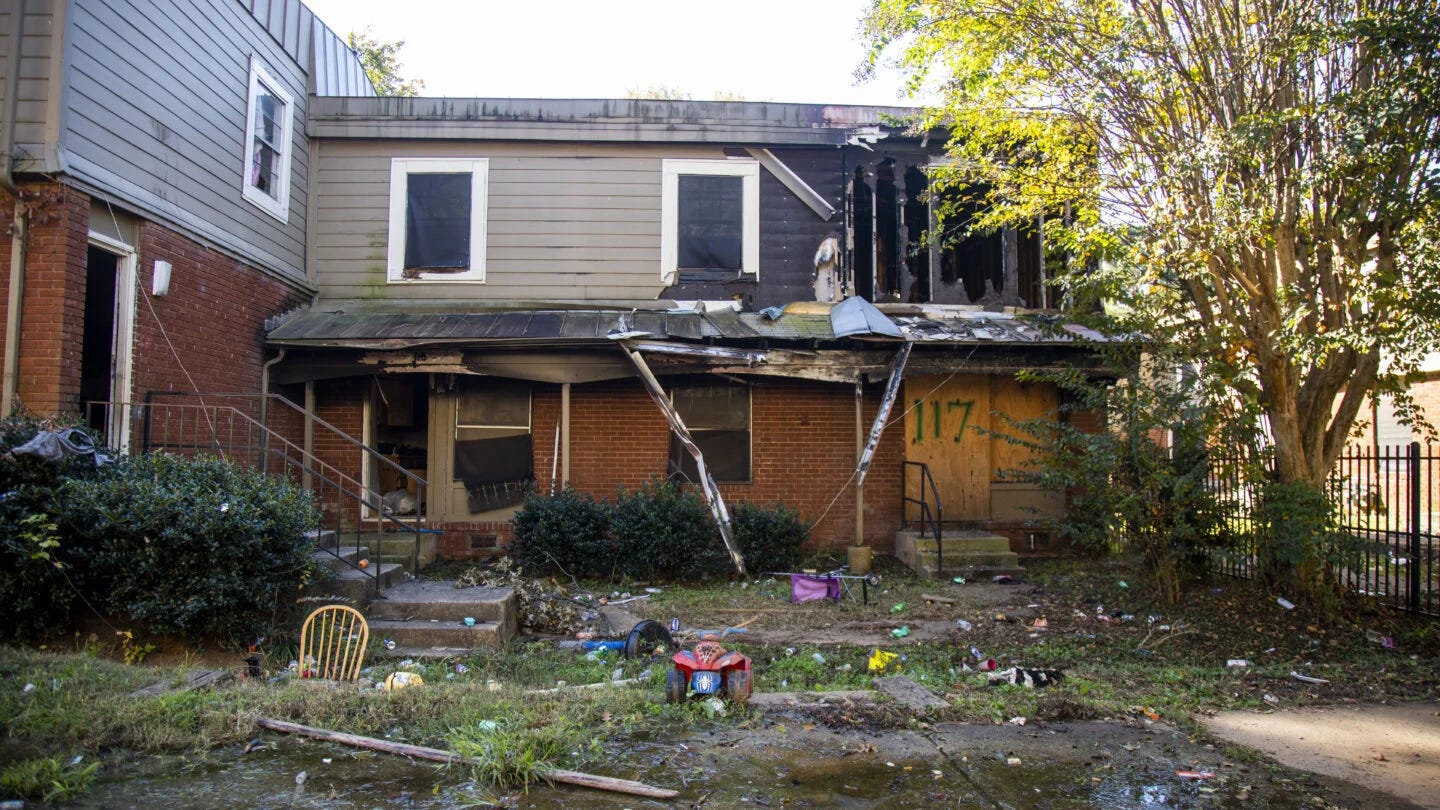
7 Proven Ways to Avoid Foreclosure in Atlanta
1. Contact Your Lender Immediately — Before You Miss a Payment
The most effective step you can take to avoid foreclosure in Atlanta costs nothing and requires nothing except a phone call.
Lenders do not want your home. Foreclosure is expensive, time-consuming, and damaging to their financial statements. Mortgage servicers are legally required under federal CFPB guidelines to review homeowners for loss mitigation options before initiating foreclosure. What that means in practice is that if you call early, there are programs available to help you.
Ask specifically about:
Forbearance — a temporary pause or reduction in your mortgage payments, allowing you to recover from a short-term hardship without formal default. You’ll need to make up the missed payments later, but it stops the legal clock.
Repayment Plan — if you’ve already missed payments, many lenders will add a portion of the arrears to your regular monthly payment over several months until you’re caught up.
Loan Modification — a permanent restructuring of your loan terms, typically by reducing your interest rate, extending the loan term, or rolling the past-due balance into the principal. This is the most powerful long-term tool and is what most homeowners struggling with affordability actually need.
Temporary Hardship Programs — many major servicers have proprietary programs for documented hardships like job loss, divorce, disability, or medical crisis. You often need to submit a hardship letter and supporting documents.
Do not ignore calls or letters. Do not avoid conversations because you’re ashamed or afraid. Every day you delay is a day the legal process advances without you.
2. Apply for Georgia Mortgage Assistance — Up to $50,000 in Free Help
If you have experienced a financial hardship that caused you to fall behind on your mortgage, you may qualify for a federally funded program that pays your lender directly — at no cost to you.
The Georgia Mortgage Assistance (GMA) Program, administered by the Georgia Department of Community Affairs, provides eligible homeowners with up to $50,000 in mortgage assistance. There are no fees to apply, no closing costs, and no repayment required if you remain in your home.
The program offers three types of assistance:
Mortgage Reinstatement — a one-time lump sum payment made directly to your lender to bring your loan current, covering up to 24 months of delinquent payments.
Principal Curtailment — a reduction in your loan balance for homeowners who suffered a permanent income loss.
Housing-Related Expenses — assistance with delinquent HOA dues, property taxes, and utility costs related to your home.
⚠️ Critical deadline: The GMA program stops accepting new applications on March 31, 2026, at 11:59 p.m. Not all eligible homeowners will receive assistance before funds are exhausted. Apply immediately.
To apply: Visit GeorgiaMortgageAssistance.ga.gov or call 1-877-519-4443, Monday through Friday, 8 a.m. to 5 p.m.
3. Get Free Legal Help From Atlanta Legal Aid’s Home Defense Program
If your situation has moved beyond missed payments — if you’ve received a Notice of Sale, if your lender is refusing to negotiate, if you suspect servicer misconduct, or if you believe your foreclosure may be wrongful — you need a lawyer. And in Fulton County, you may be able to get one for free.
Atlanta Legal Aid Society’s Home Defense Program provides free legal representation to qualifying homeowners facing the loss of their homes to foreclosure, predatory lending, or wrongful denial of loan modifications or HomeSafe Georgia assistance.
Their clients are people exactly like you: longtime homeowners, elderly residents living on fixed incomes, families who experienced a sudden layoff or medical crisis. An Atlanta Legal Aid attorney can:
Stop or delay a scheduled foreclosure sale through legal action
Negotiate directly with your lender or their attorney on your behalf
Challenge wrongful foreclosure practices or servicer errors
Represent you in court if necessary, including filing for a Temporary Restraining Order (TRO) to halt an imminent sale
Help you navigate a loan modification application that your servicer has wrongfully denied
To reach the Home Defense Program: ☎ (770) 817-7538 For general Fulton County intake: ☎ (404) 524-5811 📍 54 Ellis Street NE, Atlanta, GA 30303
Eligibility is income-based (below 200% of the federal poverty level). Call regardless of whether you think you qualify — the intake team will assess your situation.
4. Speak With a HUD-Approved Housing Counselor
Between calling your lender alone and hiring an attorney, there’s a free middle path that many Atlanta homeowners overlook: HUD-approved housing counseling.
HUD-certified housing counselors are trained professionals who specialize in foreclosure prevention. They will sit down with you, review your financial situation, explain your rights under Georgia foreclosure law, communicate with your lender on your behalf, and help you apply for assistance programs — all at no cost or very low cost to you.
In metro Atlanta, several HUD-approved counseling agencies serve Fulton County residents directly. The quickest way to find one near you is to call the HUD Housing Counselor Hotline: 1-800-569-4287 (available 24/7, in English and Spanish).
Fulton County also maintains its own Neighborhood Stabilization Program that connects residents with housing counselors and foreclosure prevention resources. Call (404) 612-8800 to speak with the Community Development department directly.
Housing counselors are especially helpful if you’re unsure what to say to your lender, if you’ve been denied a modification, or if you’re navigating a forbearance exit and aren’t sure whether the repayment plan your servicer is offering is reasonable.
5. Understand Georgia’s Foreclosure Timeline — And Use It
Knowledge of the legal process is itself a protective tool. Georgia’s non-judicial foreclosure process is governed by O.C.G.A. § 44-14-162, and it has very specific requirements that lenders and foreclosure attorneys must follow precisely. If those requirements aren’t followed correctly, the foreclosure may be legally challengeable.
The key legal requirements are:
The lender must send written notice of the foreclosure sale to the borrower at least 30 days before the sale date, by certified mail, registered mail, or overnight delivery
The Notice of Sale Under Power must be published in the legal newspaper once per week for four consecutive weeks before the sale
The sale must be held during legal hours (10 a.m. to 4 p.m.) on the first Tuesday of the month
If any of these requirements were not met — wrong address on the notice, insufficient publication weeks, publication in the wrong newspaper — you may have grounds to challenge the sale in Superior Court. An attorney from Atlanta Legal Aid or a private foreclosure defense attorney can review your notice documents for procedural defects.
Understanding the timeline also tells you exactly how much time you have. If you receive a 30-day notice, you have roughly 30 days to execute one of the strategies in this guide. That’s not much time — but it’s enough to apply for mortgage assistance, reach a housing counselor, or speak with an attorney.
For a plain-language explanation of Georgia’s foreclosure process and your rights as a borrower, the Georgia Attorney General’s Mortgage and Foreclosure Information page is one of the most reliable resources available.
6. Consider Selling Before the Auction — And Keep Your Equity
For some Atlanta homeowners, the most financially sound decision is not to fight the foreclosure but to get ahead of it by selling the property before the auction date.
This strategy only works if you have equity in your home — meaning the property is worth more than what you owe on the mortgage (plus any other liens). If you do have equity, selling before foreclosure lets you:
Pay off the mortgage in full and exit cleanly
Potentially walk away with cash from any equity above the loan balance
Avoid the severe credit damage of a foreclosure (a foreclosure stays on your credit report for seven years)
Avoid a potential deficiency judgment, which a lender may seek if the property sells at auction for less than the amount owed
Options for selling before foreclosure in Atlanta include a traditional MLS listing with a licensed real estate agent, an as-is sale to a cash buyer, or a negotiated short sale (where your lender agrees to accept less than the full payoff amount, used when you owe more than the home is worth).
If you’re considering a short sale, begin the process as early as possible. Lender approval takes time, and you need the transaction to close before the auction date. Working with an experienced Atlanta real estate agent who specializes in distressed sales is strongly recommended.
Whatever path you choose: do not sign anything with a company that contacts you unsolicited about buying your home. Home sale scams targeting distressed homeowners in Fulton County are widespread and well-documented. See Strategy 7 below for more on this.
7. Avoid Foreclosure Scams — They Are Everywhere in Atlanta
When you’re facing foreclosure, you are a target. Scammers and predatory operators actively monitor foreclosure filings, delinquent tax lists, and published Notice of Sale Under Power advertisements to identify distressed homeowners — and then they contact you with promises they will not keep.
Common scams targeting Atlanta homeowners include:
Foreclosure rescue scams — Companies that promise to stop your foreclosure for an upfront fee. They collect your money, do nothing, and disappear.
Equity skimming — A buyer offers to pay off your mortgage or “take over your payments” if you transfer the deed to them. You may not realize you’ve given away ownership of your property until it’s too late.
Phantom counseling services — Companies charging for “foreclosure counseling” that is identical to what HUD-approved agencies provide for free.
Deed transfer scams — Someone convinces you to sign documents that transfer your deed “temporarily” so they can refinance the loan. There is no temporary deed transfer — you sign away your home.
The Georgia Attorney General’s Consumer Protection Division has an excellent guide on recognizing and avoiding foreclosure scams that every Atlanta homeowner should read. The signs are consistent: upfront fees, pressure to sign immediately, requests for your deed, promises that sound too good to be true.
If you’re approached by anyone offering to stop your foreclosure for a fee, or offering to buy your home through a non-standard process, do not sign anything. Call Atlanta Legal Aid at (770) 817-7538 or the Georgia Attorney General’s Consumer Protection Division at (404) 651-8600 before you respond.
When Your Lender Won’t Work With You
Sometimes homeowners do everything right — they call early, they submit documentation, they follow up — and their servicer still refuses to cooperate or keeps losing their paperwork. This is more common than it should be, and it’s one of the primary reasons Atlanta Legal Aid’s Home Defense Program exists.
If your lender refuses to engage in good faith:
FHA Loans: Contact the FHA National Servicing Center at (877) 622-8525 and ask specifically about FHA loss mitigation options including partial claims, special forbearance, and loan modification programs.
VA Loans: Contact your VA loan servicer directly and ask about the VA’s loan guaranty foreclosure avoidance program. VA loans have some of the strongest foreclosure prevention protections available.
Conventional Loans: Call the HOPE NOW Homeowner’s HOPE Hotline at 1-888-995-HOPE (4673). This free hotline connects homeowners with HUD-approved counselors and lender outreach specialists who can sometimes help break through servicer bureaucracy.
All Loan Types: If you believe your servicer has violated federal mortgage servicing rules — such as the CFPB’s loss mitigation regulations — an attorney at Atlanta Legal Aid can evaluate whether you have grounds for a legal claim. Servicer misconduct is a viable basis for challenging a foreclosure in Georgia.
Persistence matters. Document every call with the date, time, and name of the representative you spoke with. Keep copies of every letter you send and receive. This paper trail becomes evidence if the situation goes to court.
Frequently Asked Questions: Avoid Foreclosure in Atlanta
Q: How long does the foreclosure process take in Atlanta, Georgia? A: Georgia’s non-judicial foreclosure process is among the fastest in the United States. From the first published notice, a lender can legally complete the foreclosure and auction your home within approximately 30 to 45 days. From the first missed payment to auction, the total timeline is often 60 to 90 days, depending on how quickly the lender moves. Acting immediately is essential.
Q: Can I stop a foreclosure the day before the auction in Atlanta? A: It is possible, but options narrow dramatically as the sale date approaches. Filing for bankruptcy triggers an automatic stay that halts the foreclosure — even on the day before the auction. An attorney can also attempt to obtain a Temporary Restraining Order if there are legal grounds to challenge the sale. However, both of these options require a licensed attorney and cannot be done effectively without professional help. Call Atlanta Legal Aid at (770) 817-7538 immediately.
Q: Will foreclosure ruin my credit for good? A: A foreclosure is one of the most damaging events that can appear on a credit report, typically causing a drop of 100 to 150 points or more. It remains on your credit report for seven years. However, recovery is possible — many homeowners who lose a home to foreclosure are able to purchase again within three to seven years, depending on the loan type. Alternatives like loan modification, short sale, or deed-in-lieu of foreclosure typically cause less long-term credit damage.
Q: Is bankruptcy the only way to stop foreclosure in Atlanta? A: No. Bankruptcy (specifically Chapter 13) is one tool — and a powerful one — but it is far from the only option. Loan modifications, repayment plans, forbearance agreements, short sales, selling before the auction, and legal challenges to procedural defects in the foreclosure notice can all stop or prevent a foreclosure without bankruptcy. A housing counselor or attorney can help you identify which option fits your situation.
Q: What if I can’t afford an attorney to fight foreclosure? A: Atlanta Legal Aid Society’s Home Defense Program provides free legal representation to qualifying low-income homeowners in Fulton County. Eligibility is based on income below 200% of the federal poverty level. Call (770) 817-7538 to apply. The Georgia Mortgage Assistance Program may also provide financial relief that removes the need for legal action by bringing your loan current.
Q: What happens after the foreclosure auction in Fulton County? A: Once the property is sold at the Fulton County Sheriff’s Tax Sale or mortgage foreclosure auction, you no longer own the home. The new owner — typically the lender or a third-party investor — can initiate eviction (dispossessory) proceedings in Fulton County Magistrate Court if you do not vacate voluntarily. You will typically have a few weeks after the sale before eviction proceedings begin, but you have no legal right to remain in the property after the sale is complete.
The Bottom Line: Act Early, Act Informed
If you are trying to avoid foreclosure in Atlanta, the single most important thing you can do right now is take action. Not tomorrow. Not after one more phone call to your servicer. Today.
Georgia’s foreclosure timeline does not wait. But neither do the resources available to you. Free legal help, federally funded mortgage assistance, HUD-certified housing counseling, and legal protections under Georgia foreclosure law are all available to Fulton County homeowners right now — but only if you reach out before the deadline passes.
Whether you’re in Buckhead or Bankhead, College Park or Sandy Springs, Roswell or East Point — if you own a home in Fulton County and you’re struggling to make your mortgage payment, the organizations on this page exist specifically to help you keep it.
Don’t ignore letters. Don’t avoid phone calls. Don’t wait until the first Tuesday foreclosure auction.
The sooner you act, the more solutions you have.
Your Next Steps — Call These Numbers Today
Resource Phone Number What They Do Atlanta Legal Aid — Home Defense Program (770) 817-7538 Free legal help, foreclosure defense Georgia Mortgage Assistance Program 1-877-519-4443 Up to $50,000 in free mortgage assistance HUD Housing Counselor Hotline 1-800-569-4287 Free housing counseling referrals, 24/7 Fulton County Community Development (404) 612-8800 Local housing resources and counseling GA Attorney General — Report a Scam (404) 651-8600 Report foreclosure fraud HOPE NOW Hotline 1-888-995-4673 Lender outreach and counseling support
For more local foreclosure resources, Georgia housing updates, and Fulton County property news, stay connected with Atlanta Housing 411. Staying informed may be the first step to protecting your home.